Harnessing the full power of Artificial Intelligence isn't about asking the right questions, it's about providing the right architecture. As we move through 2026, the R-I-S-E framework has emerged as the gold standard for transforming vague queries into high-impact results, ensuring your AI collaborator thinks deeper and works smarter.
Section 1: Defining the Persona and the Mission
The foundation of a great prompt lies in Role and Instruction. By assigning a specific persona, such as a data scientist or a creative director, you prime the model to access specific patterns of knowledge and vocabulary. When you pair this "hat" with clear, verb-driven instructions, you eliminate ambiguity. Instead of asking the AI to "help with a project," you instruct it to "audit this project plan for potential bottlenecks," shifting the output from generic advice to actionable intelligence.

Section 2: Setting Boundaries and Contextual Guardrails
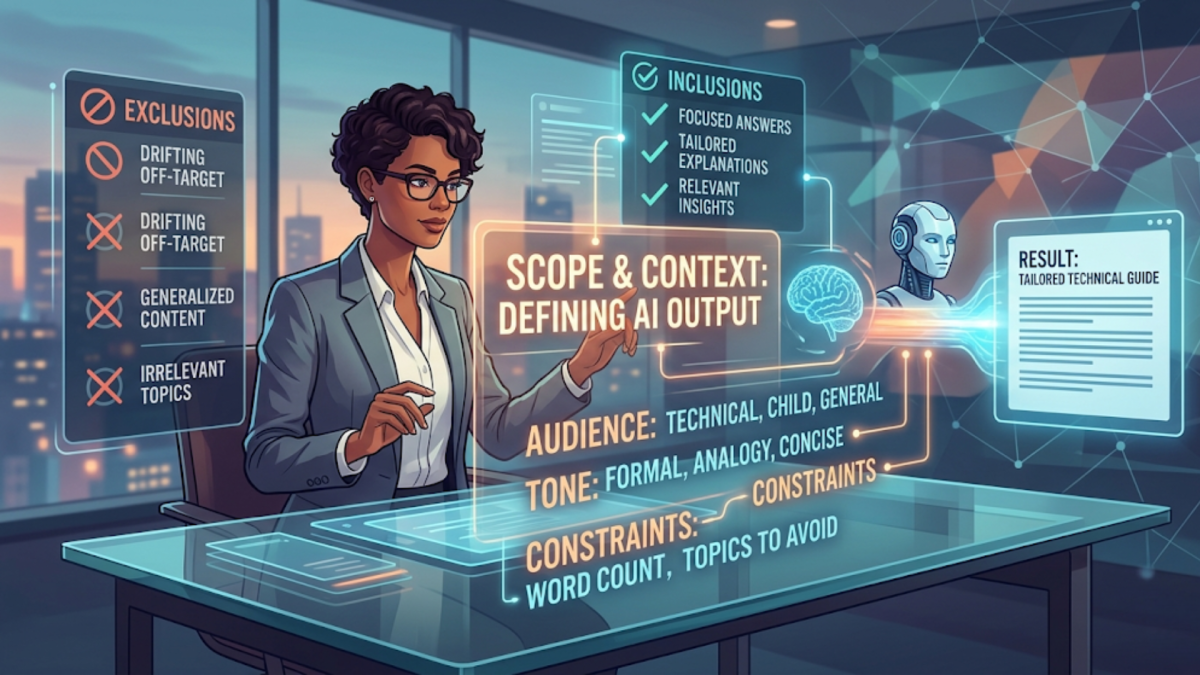
A powerful prompt is defined as much by what it excludes as what it includes. Scope and Context provide the "rules of engagement," telling the AI who the audience is and what tone to strike. Whether you need a technical breakdown for engineers or a simplified analogy for a child, defining the context prevents the model from drifting off-target. This stage is where you implement constraints, like word counts or specific topics to avoid, ensuring the content remains focused and relevant to your unique needs.
Section 3: Structuring the Final Execution
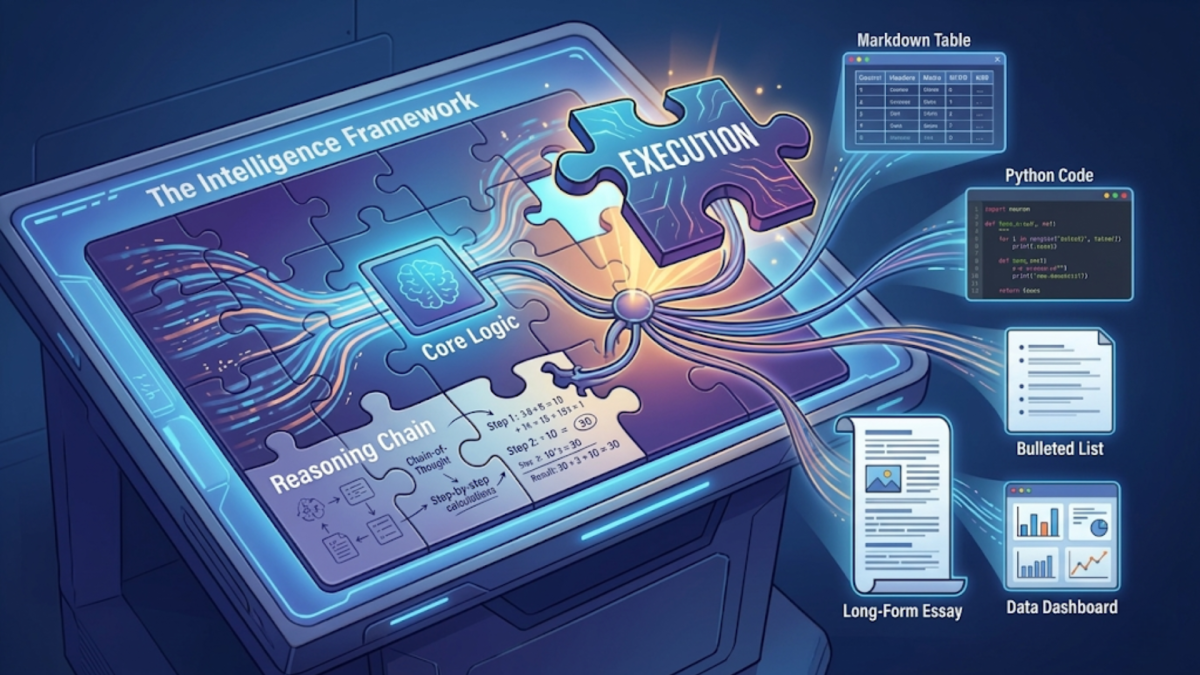
The final piece of the puzzle is Execution, which dictates the physical structure of the response. AI is a shape-shifter; it can produce anything from complex Markdown tables and Python code to bulleted lists and long-form essays. By specifying the format upfront, you save time on re-formatting and manual editing. Combining this with "Pro-Tips" like Chain-of-Thought reasoning allows the AI to show its work, ensuring the final delivery is not just well-formatted, but logically sound.
Conclusion: The Future of Collaborative Intelligence
Prompting is no longer a niche skill; it is the primary language of the modern workforce. By utilizing the R-I-S-E framework, you move beyond simple "chatting" and begin true orchestration. As models become more sophisticated, the clarity of your framework will be the deciding factor in the quality of your innovation. Master these four pillars, and you unlock the full potential of the digital mind.