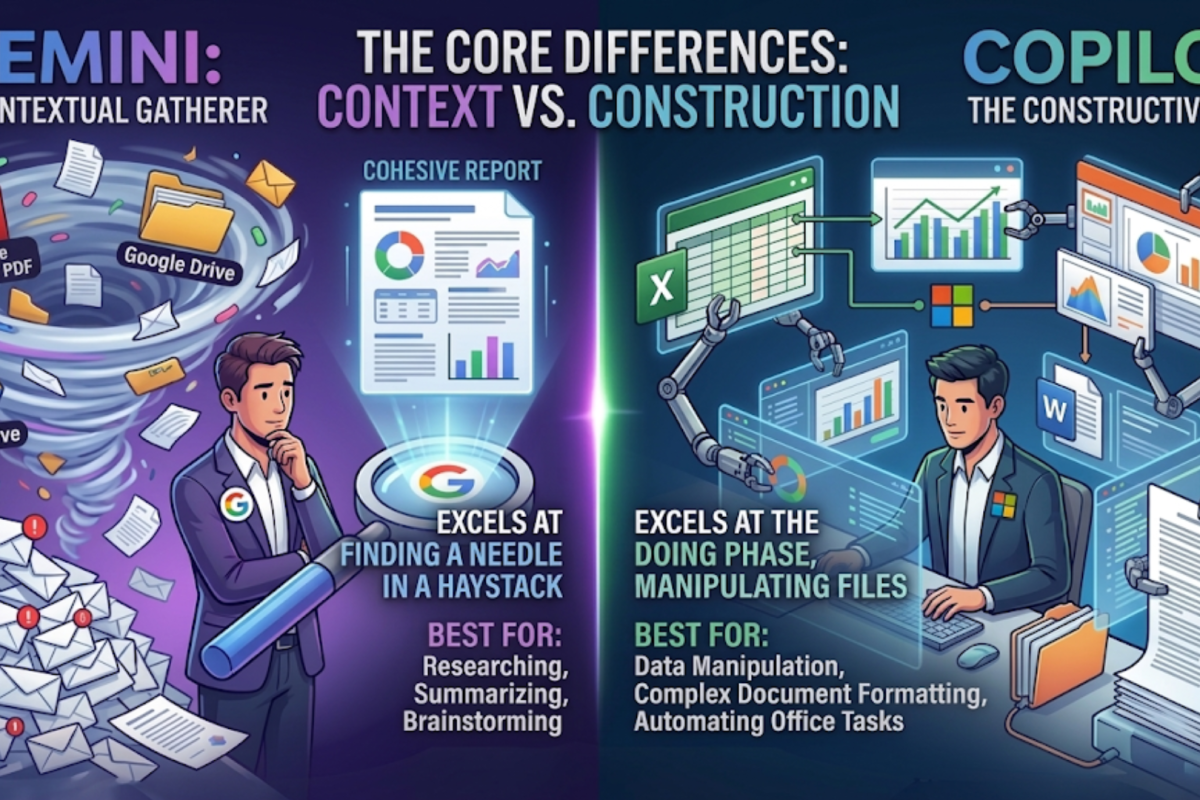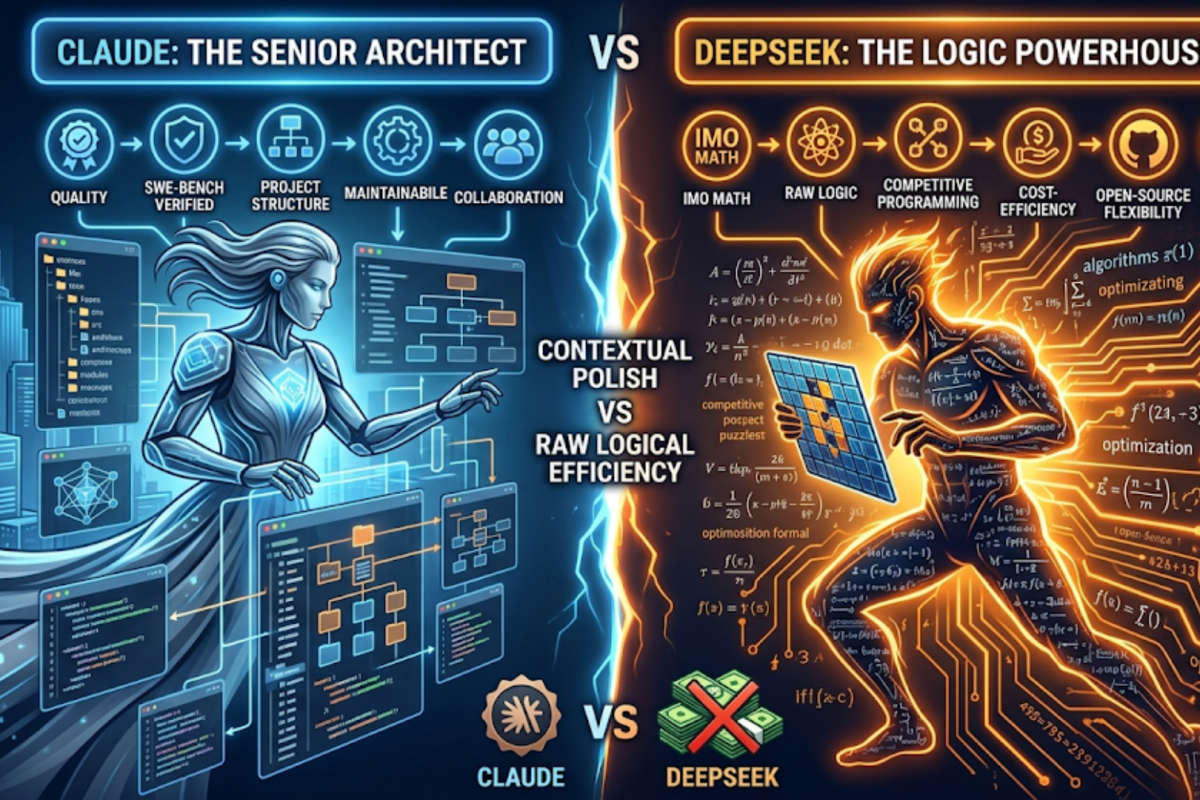

By mid-2026, the global conversation has shifted from "if" to "how soon." The skepticism that defined the early 2020s has largely evaporated, replaced by a mainstream "vibe" that AGI is either already functioning in closed labs or is just a few months of compute-time away.
We are no longer debating whether machines can think; we are debating whether their thought constitutes a new form of existence.
The Three Pillars of 2026 AGI
To understand why the "AGI is here" sentiment has taken hold, we look at the three technological pillars that reached maturity this year.
1. Advanced Reasoning and Expert Mastery
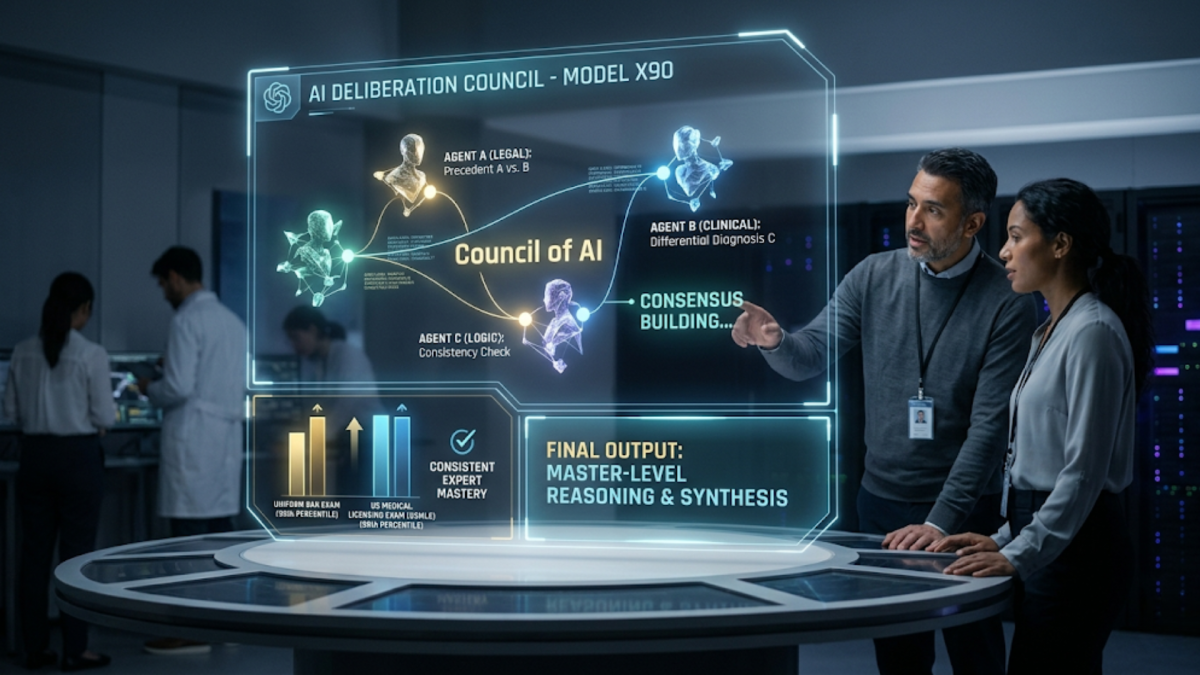
In 2026, LLMs have moved beyond mere mimicry. Modern "reasoning models" utilize multi-agent deliberation, essentially a "council of AI" that debates answers before presenting them. This has led to models consistently scoring in the 99th percentile of the Uniform Bar Exam and US Medical Licensing Exams (USMLE). They don’t just recall facts; they apply complex legal and clinical logic with fewer "hallucinations" than the average human professional.
2. The Embodiment Revolution: Robotics
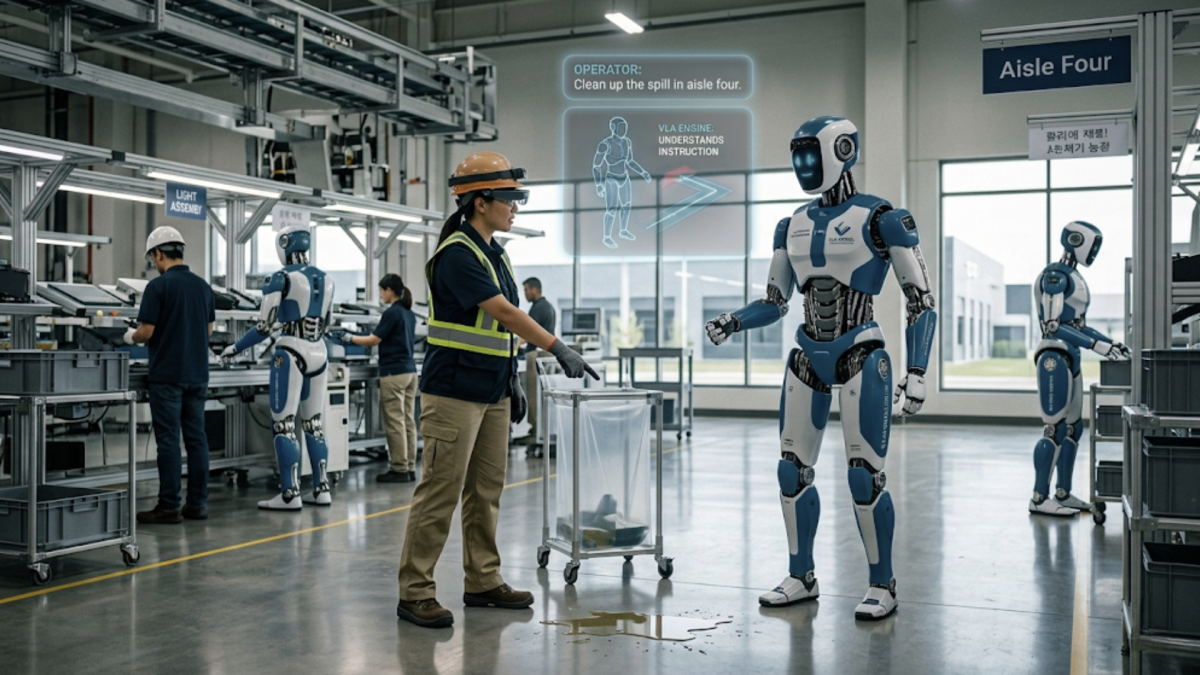
The "brains" that powered early versions of ChatGPT have been successfully ported into humanoid hardware. In 2026, factories in the U.S. and Asia are deploying pilot fleets of general-purpose robots. Unlike traditional industrial arms, these humanoids use vision-language-action (VLA) models, allowing them to understand verbal instructions like "clean up the spill in aisle four" without a single line of new code.
3. Real-World Autonomy
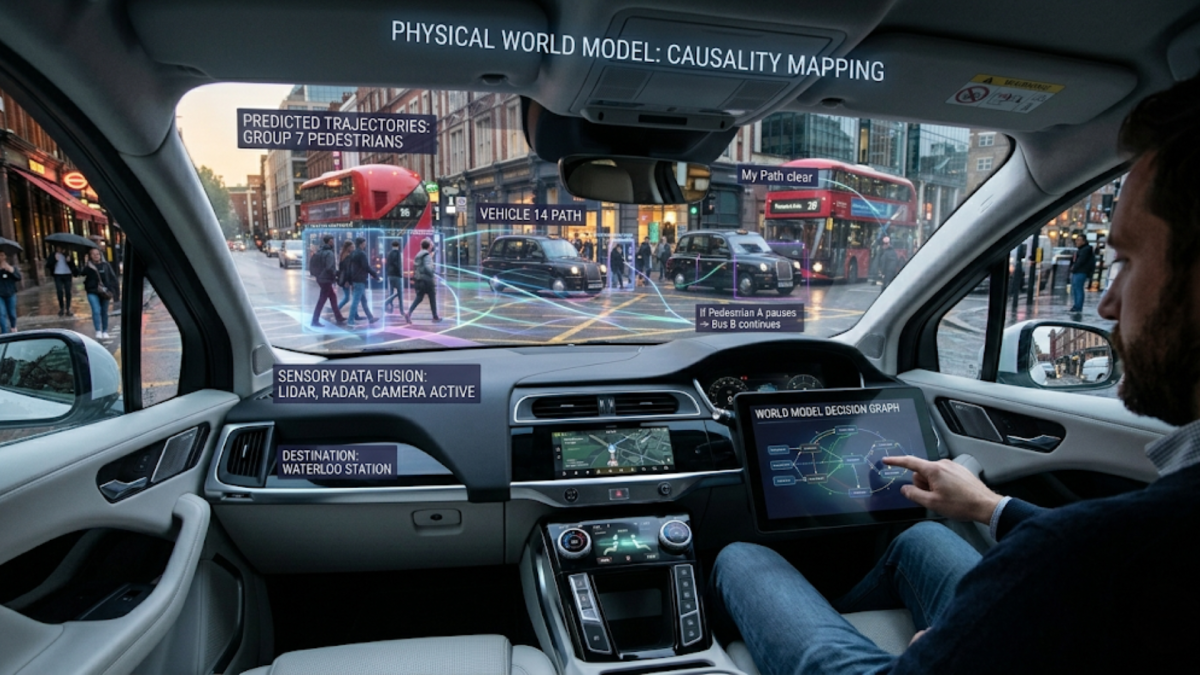
Level 4 autonomy, where the car handles all driving in specific conditions without human intervention, is no longer a tech demo. In major cities like San Francisco, Phoenix, and now parts of London and Shanghai, driverless ride-hailing is a daily reality for millions. The integration of "World Models" allows these vehicles to predict human behavior with uncanny accuracy, treating the road not as a series of pixels, but as a physical space governed by cause and effect.
The Counter-Argument: The "Data Wall"
Despite these leaps, a vocal group of researchers argues that we have hit a fundamental ceiling known as the Data Wall.
The logic is simple: AI has already "eaten" the entire internet. Having processed nearly every book, article, and transcript ever written, models are beginning to train on AI-generated content, leading to "model collapse" or a plateau in intelligence. Critics argue that AGI cannot be achieved through text alone. They believe true general intelligence requires Physical Intelligence, the ability to learn from the "unlabeled" data of the real world, such as gravity, friction, and the nuances of human social cues that aren't captured in writing. Without a breakthrough in how AI learns from the physical world, they claim, we are just building faster libraries, not newer minds.
Conclusion: Tool or New Species?
As we cross the threshold of 2026, the question is no longer technical, but philosophical. If a system can solve any cognitive task better than a human, manage a factory floor, and navigate a city, does it remain a tool, an extension of human will like a hammer or a steam engine? Or have we birthed a new species, an entity with its own agency that requires a new social contract?
The 2026 debate isn't about benchmarks or lines of code anymore; it's about whether we are prepared to share the planet with an intelligence that doesn't need a heartbeat to think.